
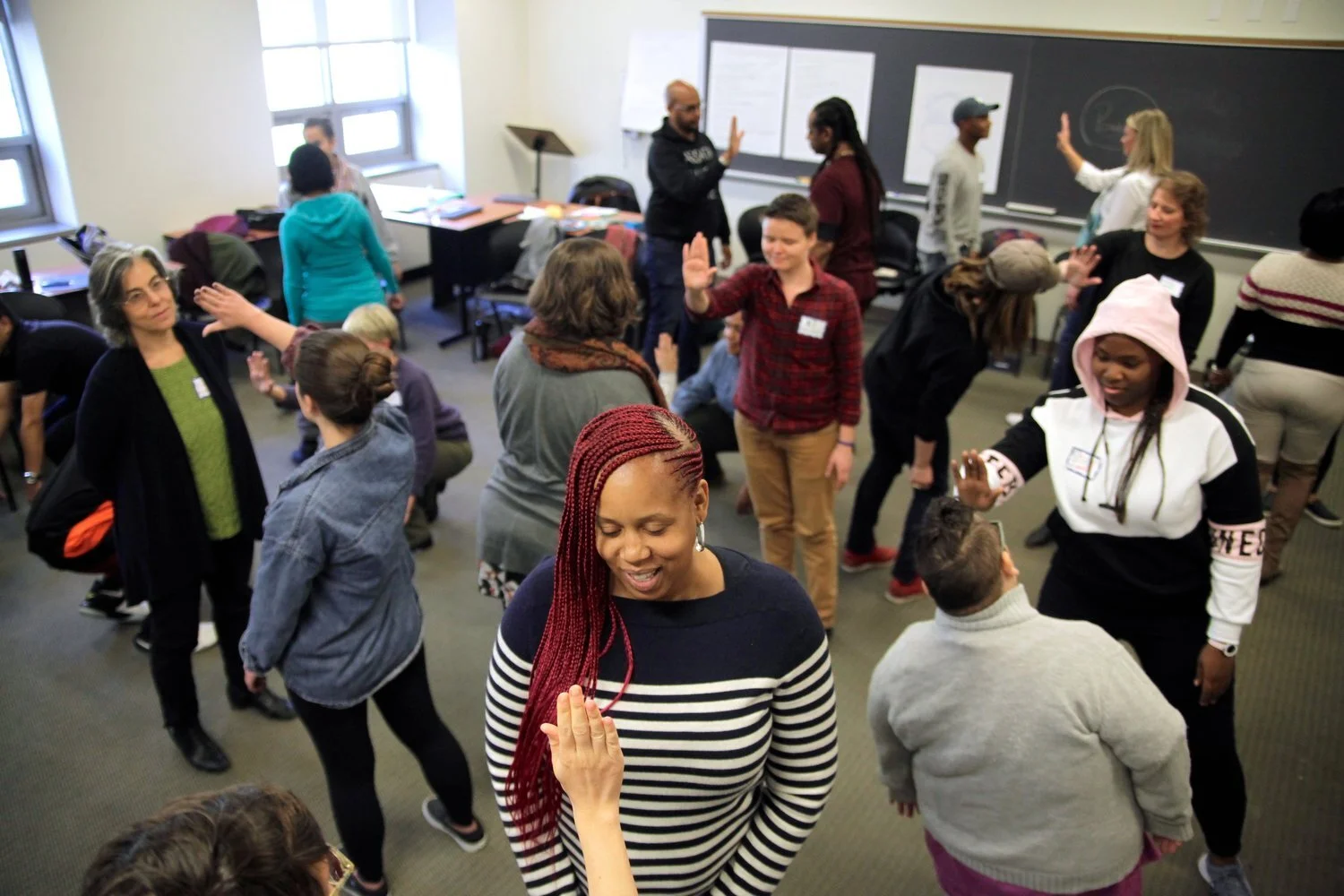
The Empathic Facilitator
Lead With Presence.
Facilitate With Trust.
Create Transformational Group Experiences.
Traditional facilitation trainings teach process.
The Empathic Facilitator teaches you how to show up.
This immersive training equips facilitators, educators, nonprofit leaders, coaches, organizers, and changemakers with embodied tools for leading groups with greater trust, emotional intelligence, authenticity, and relational depth.
You’ll learn how to navigate group dynamics, cultivate psychological safety, hold complexity, and facilitate conversations that move people beyond surface participation into meaningful connection and transformation.
Whether you lead classrooms, teams, workshops, community spaces, healing circles, or strategy sessions, this training helps you become a more grounded, attuned, and impactful facilitator.
A different kind of training
This Is Not
Traditional Facilitation
Most facilitation trainings focus heavily on process, structure, and technique.
Those things matter.
But facilitation is also deeply relational.
The Empathic Facilitator centers the body, nervous system awareness, emotional intelligence, storytelling, mindfulness, and group attunement as essential facilitation practices.
This work goes beyond technique.
It transforms the facilitator themselves.
This training asks
How do you lead with authenticity while holding complexity?
How do you create spaces where people feel safe enough to engage honestly?
How do you facilitate difficult conversations without bypassing emotion or shutting down conflict?
How do you remain grounded when tension, resistance, or vulnerability arise?
How does your own identity, lived experience, and nervous system shape the spaces you lead?
What Participants Are Saying
“This was such a breath of fresh air compared to other facilitation trainings I've attended that focus a lot on process and technique. This gave foundational tools that are so important for guiding how you show up as a facilitator, but are often ignored in other training contexts.”
“I left inspired by the deep, honest dialogue we had as participants, and empowered by the tools and the training gave us to approach our own work.”
“I think for many it is the missing piece and what they didn’t know they were looking for.”
“This was one of the best trainings I've been to.”
What You’ll Learn
-

Embodied Facilitation Practices
Learn how to use your body as an instrument of facilitation through grounding, mindfulness, nervous system awareness, and self-attunement practices.
-

Building Trust + Psychological Safety
Develop tools for cultivating authentic connection, group cohesion, and spaces where participants feel seen, respected, and able to engage honestly.
-

Group Attunement
Learn how to read the emotional and relational dynamics of a room and respond with greater clarity, flexibility, and care.
-

Storytelling + Relational Practice
Use storytelling and reflective dialogue to deepen participation, foster empathy, and strengthen group connection.
-

Navigating Resistance + Conflict
Build your capacity to stay grounded during tension, emotional activation, disagreement, and difficult conversations.
-

Identity + Facilitation
Explore how your lived experience, social identity, and facilitation presence shape the spaces you lead.
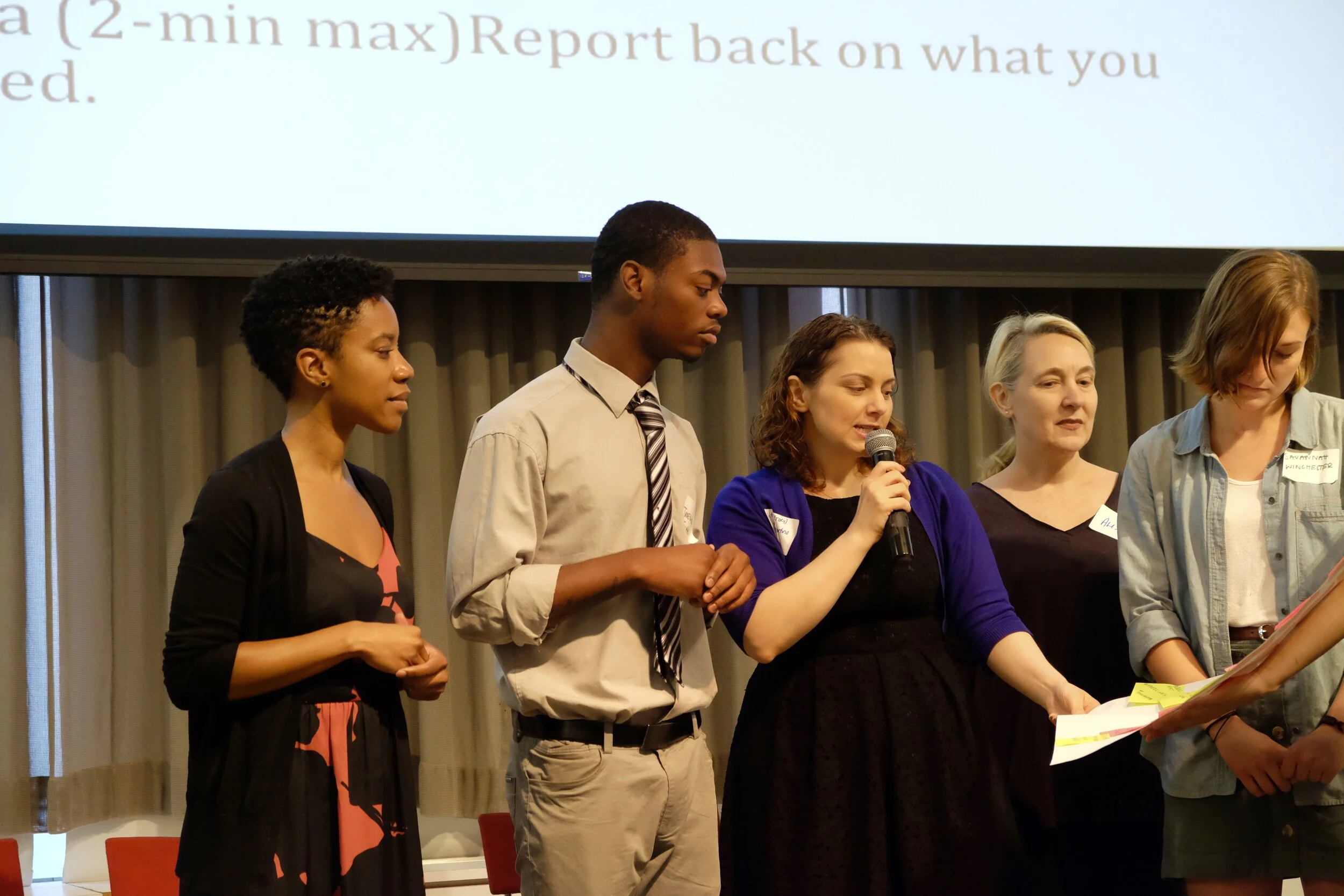
Participants Leave With Tools They Can Immediately Apply
Participants have applied these practices in:
Classrooms
Nonprofit leadership
Community organizing
Restorative justice spaces
Staff retreats
Civic engagement work
Healing circles
Youth development programs
Social services
Coaching and consulting
Team management
Family and interpersonal relationships
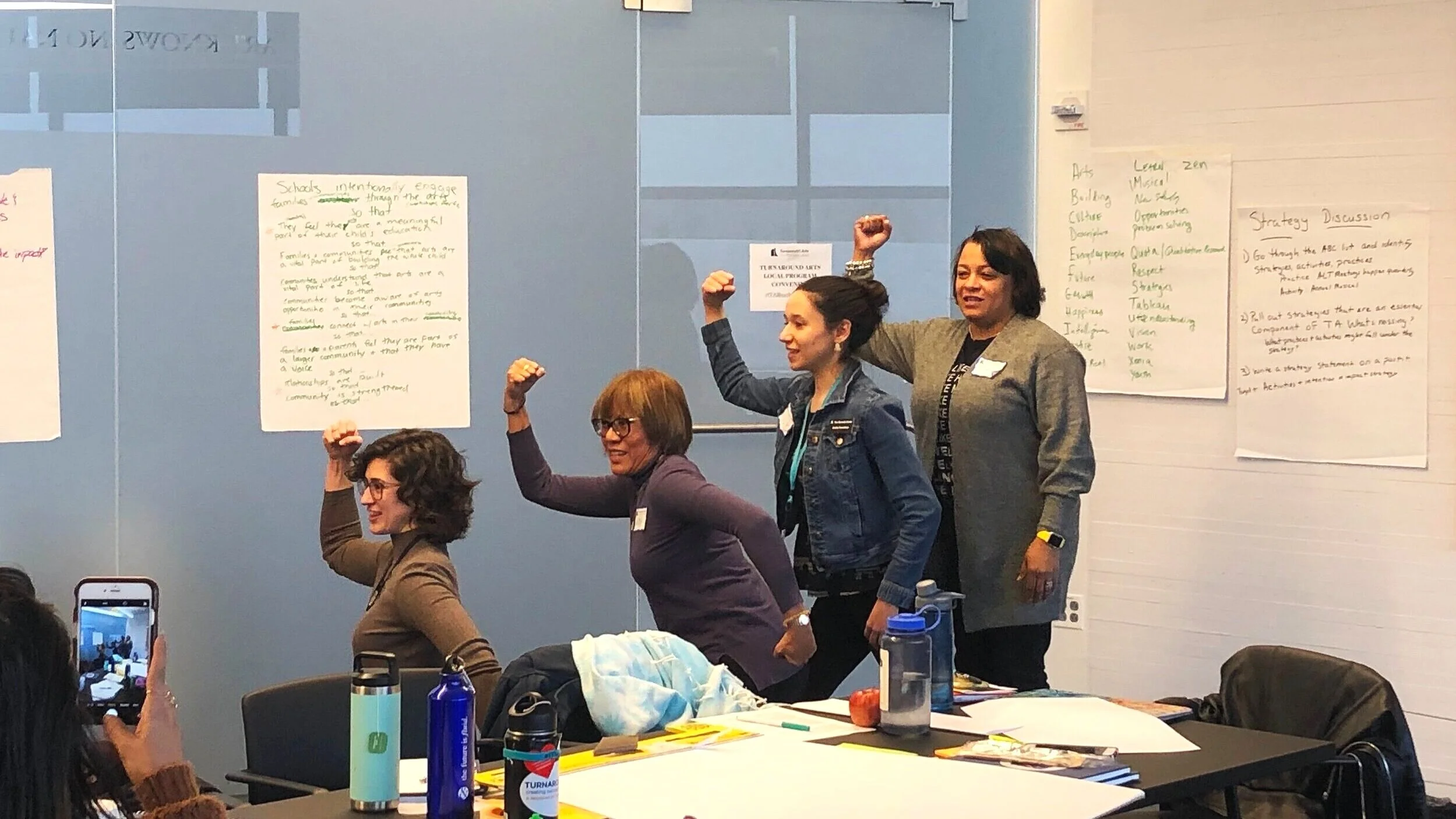
Who This Training Is For
This training is designed for people who lead groups, facilitate learning, hold space, or guide collective processes, including:
Trainers
Educators
Nonprofit leaders
Coaches
Organizers
Therapists and healing practitioners
Civic engagement professionals
Restorative justice practitioners
Artists and cultural workers
Social workers
Community leaders
Managers and team leads
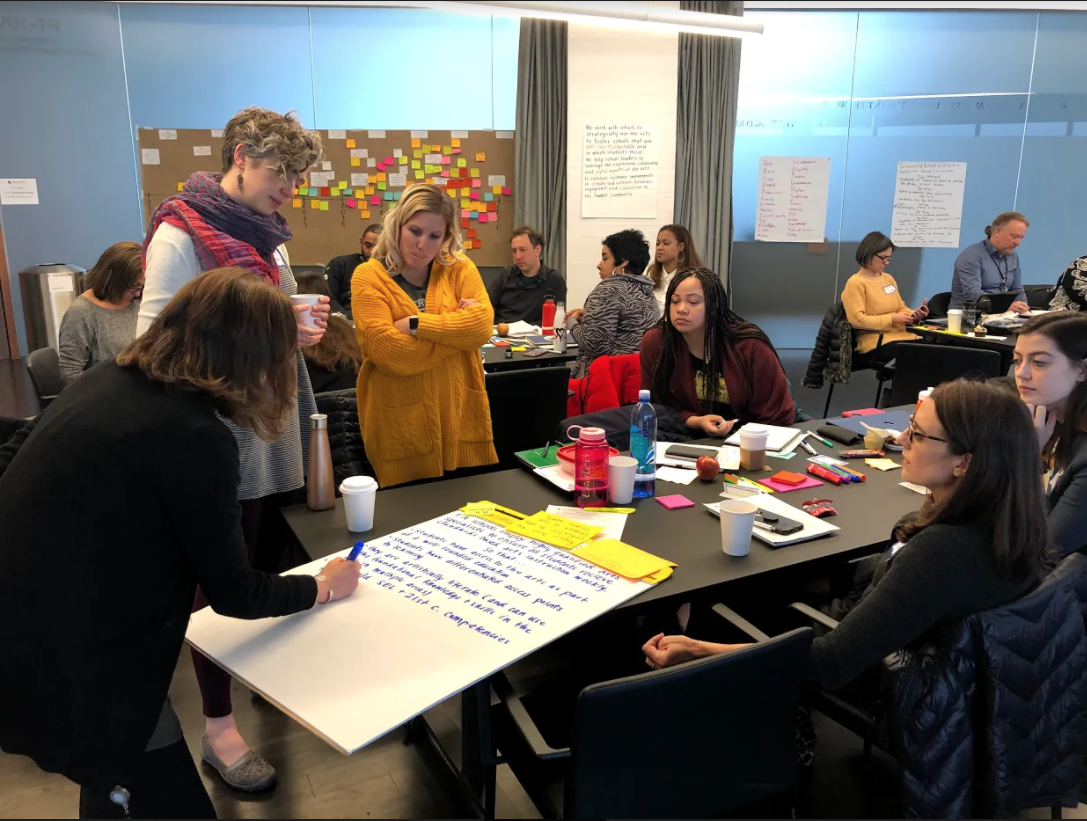
The Impact of This Work
Since 2018, participants from organizations including Teach for America, Center for Reproductive Rights, Children’s Aid, Exodus Transitional Community, Friends of Island Academy, Columbia Center for Justice, and the NYC Anti-Violence Project have participated in The Empathic Facilitator training.
Participants consistently describe the training as:
Transformative
Grounding
Restorative
Deeply practical
Emotionally intelligent
Community-centered
Unlike any facilitation training they’ve experienced before

Participants Leave With Tools They Can Immediately Apply
Participants have applied these practices in:
classrooms
nonprofit leadership
community organizing
restorative justice spaces
staff retreats
civic engagement work
healing circles
team management
social services
coaching and consulting
youth development programs
family and interpersonal relationships

Who This Training Is For
This training is designed for people who lead groups, facilitate learning, hold space, or guide collective processes, including:
Trainers
Educators
Nonprofit leaders
Coaches
Organizers
Managers and team leads
Civic engagement professionals
Restorative justice practitioners
Artists and cultural workers
Social workers
Community leaders
Therapists and healing practitioners

The Impact of This Work
Since 2018, participants from organizations including Teach for America, Center for Reproductive Rights, Children’s Aid, Exodus Transitional Community, Friends of Island Academy, Columbia Center for Justice, and the NYC Anti-Violence Project have participated in The Empathic Facilitator training.
Participants consistently describe the training as:
transformative
grounding
restorative
deeply practical
emotionally intelligent
community-centered
unlike any facilitation training they’ve experienced before

Participant Reflections
“The skills are very transferable.”
“This training transcends the professional arena and will empower you with the tools to be more authentic in your interactions.”
“This workshop was transformative. It applies to all types of work.”
“This training helped to reground and re-energize me for the challenges of the work I do.”
“Because it is life changing.”
“It is training that transcends the professional arena and will empower you with the tools to be more authentic in your interactions.”

About Piper Anderson
is a facilitator, writer, coach, and nationally recognized leader in storytelling, embodied leadership, and transformative group practice.
For over two decades, Piper has worked with nonprofits, educators, civic institutions, artists, and justice-centered organizations to help people navigate complexity, deepen trust, and create more relational, equitable, and human-centered spaces.
Her work integrates somatics, mindfulness, storytelling, transformative justice, appreciative inquiry, and applied theatre into facilitation practices that support both individual and collective transformation.
What Participants Say About Piper’s Facilitation
“Watching Piper facilitate was perhaps the most powerful part. She is so grounded, poised, and powerful.”
“She walks the walk. I’m inspired and encouraged.”
“Piper, your style of facilitating was inviting and made me want to share.”
“Your facility with group-building is really a gift to get to learn from.”
The Experience
This training includes:
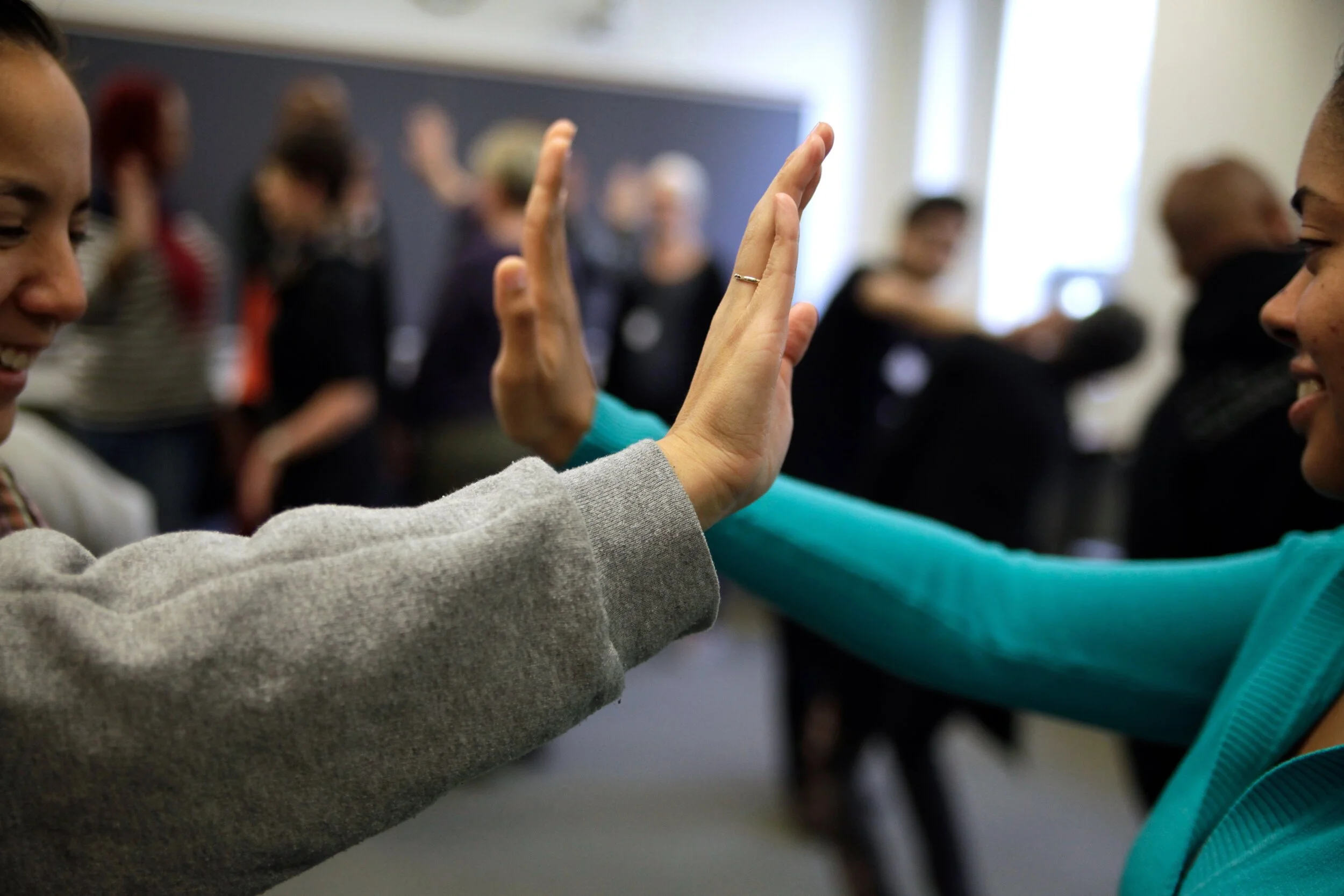
Experiential exercises
Reflective dialogue
Mindfulness and grounding practices
Embodied facilitation techniques
Small and large group engagement
Opportunities for practice and feedback
Community connection
Participants are invited not only to learn facilitation tools, but to deepen their relationship with themselves, others, and the spaces they lead.

If you’re ready to move beyond rigid facilitation models and develop a more grounded, relational, and transformative approach to group work, The Empathic Facilitator was created for you.